.png)
The Nervous System Remembers What the Mind Tries to Forget
For years, health was viewed mostly through a physical lens.
Symptoms were treated separately. The body was divided into systems. Fatigue belonged to one specialist. Anxiety to another. Skin conditions somewhere else. Digestive issues somewhere else again.
But modern research is increasingly revealing something many people have intuitively felt for years: The body remembers stress. Not only mentally; physiologically. And sometimes long after the stressful event itself has passed.

The Hidden Cost of “Holding It Together”
In When the Body Says No, physician and trauma expert Gabor Maté explores how chronic emotional stress, suppressed emotions, over-responsibility, and unresolved trauma may contribute to physical illness over time.
His work focuses heavily on the connection between:
the nervous system
immune function
stress hormones
emotional suppression
chronic inflammation
One of the most powerful ideas from the book is this: “The body often whispers before it screams.”

Many people become so accustomed to functioning in survival mode that stress no longer feels like stress.
It becomes:
hyper-independence
people pleasing
perfectionism
chronic overthinking
emotional numbness
inability to rest
constant exhaustion masked as productivity
The nervous system adapts to pressure so well that eventually the pressure feels normal. But the body still keeps score.
Trauma Is Not Just What Happened To You
Modern trauma research is shifting the conversation. Trauma is increasingly understood not only as the event itself, but as what happens inside the nervous system when the body cannot fully process stress, fear, grief, overwhelm, or emotional pain.
Research in psychoneuroimmunology, the study of how the nervous system, immune system and psychological state interact, continues to show strong links between chronic stress and physical health outcomes.
Studies have associated prolonged stress with increased inflammation, immune dysregulation, sleep disturbances, digestive dysfunction, hormone imbalance, fatigue syndromes, and heightened nervous system sensitivity.

The Nervous System Can Stay Stuck In Survival Mode
The autonomic nervous system constantly scans for danger and safety. When the body experiences prolonged stress, trauma, emotional unpredictability, or chronic overwhelm, it can become locked into protective states such as: fight, flight, freeze or hyper vigilance
Even when life becomes safer externally, the body may still react as though danger is present.
This can show up as:
anxiety
insomnia
digestive issues
chronic tension
emotional overwhelm
burnout
brain fog
skin flare-ups
feeling “wired but tired”

Some people become so disconnected from their own needs that they stop recognising stress signals entirely until the body forces them to slow down.
As Gabor Maté’s work repeatedly suggests:
the inability to say “no” emotionally may eventually become a body that says “no” physically.
Where Frequency Therapy and SCIO May Support Emotional Regulation
Many people are not only physically exhausted, they are neurologically exhausted.
SCIO and biofeedback-based frequency therapy approaches are designed to support stress reduction, nervous system regulation, and emotional balancing by identifying patterns of stress responses within the body.
While frequency therapy is not intended to diagnose, treat, or cure medical conditions, many clients report feeling:
calmer
emotionally lighter
mentally clearer
deeply relaxed after sessions
For some, the experience feels less like “fixing symptoms” and more like finally allowing the nervous system to exhale.
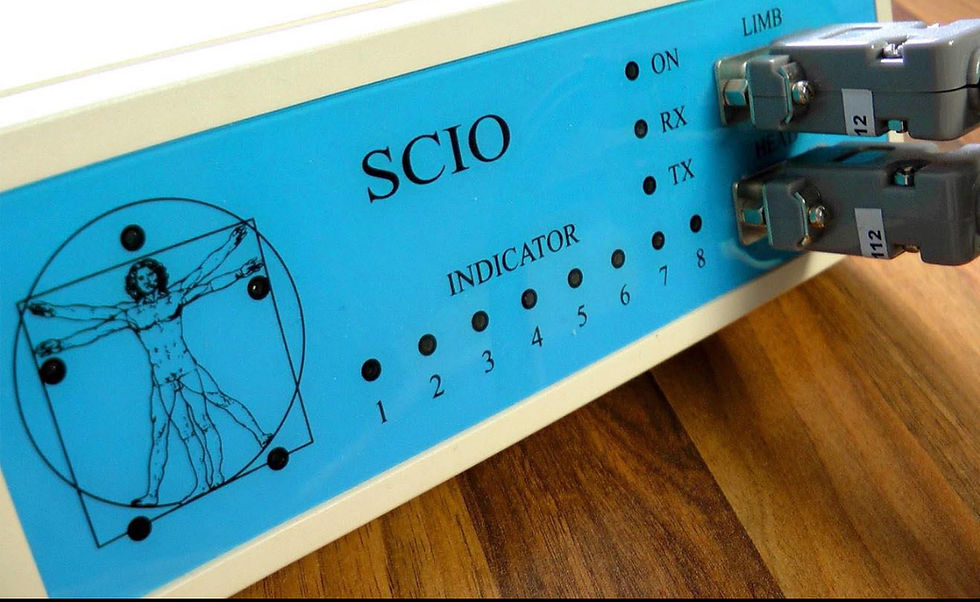
At SoulfulSync, each frequency session, especially when trauma work is involved, blends SCIO biofeedback therapy with intuitive coaching and a safe, supportive space for emotional release.
Many people initially come seeking support for very physical symptoms:
chronic fatigue
digestive issues
skin flare-ups
tension
sleep disturbances
burnout
unexplained stress symptoms
And while physical support is an important part of the process, very often emotional trauma release becomes one of the deeper layers of healing that needs attention too.
Not because symptoms are “imagined.”
But because the body and nervous system are deeply interconnected. Sometimes trauma release does not look dramatic at all.
Sometimes it looks like:
finally feeling calm in your own body
sleeping deeply for the first time in months
crying unexpectedly during a session
feeling emotionally lighter afterwards
noticing less internal pressure and tension
reconnecting with yourself again
Healing is not about becoming perfectly calm, perfectly healthy, or endlessly positive.
It is about creating enough safety within the body that it no longer has to stay in survival mode all the time.
Modern research continues to show that chronic stress affects far more than emotions alone. It influences the nervous system, immune system, hormones, inflammation, sleep, and overall wellbeing.
And perhaps one of the most overlooked parts of healing is this:
The body often begins to shift when a person finally feels safe enough to be heard, supported, and emotionally held without judgement.
Often, the symptoms are not the enemy. They are the body’s attempt to protect us for far longer than it was ever meant to.



Comments